Öğrenilen geçmiş zaman (-miş)
geçmişte gerçekleşmiş ancak başka bir kaynaktan öğrenilmiş (şahsen şahit olunmamış) bir olaydan veya durumdan bahsederken ve kendi kendine sonradan fark edilen veya keşfedilen durumlar için kullanılır.
Reported past tense
is used for a past action that occurred before another past action,learned from another source or for situations that are noticed or discovered on their own.
| Geçmiş Zaman (miş) Zarfları | |||
|---|---|---|---|
| dün | yesterday | Dün Avusturalya'da kayıp gemi bulunmuş. | |
| eskiden | earlier | Eskiden burada büyük bir orman varmış | |
| geçen | past | Geçen sene bu şirket zarar yapmış | |
| önceki | previous | Önceki gün ayakkabısını almış. | |
| önce | before | 3 ay önce onlar Ayşe ile tanışmışlar. | |
| göre | according | Ali ye göre, sen ev satın almışsın. |
★ A comma has been added to help with the pronunciation of the sentences. Some of them do not comply with grammatical rules.
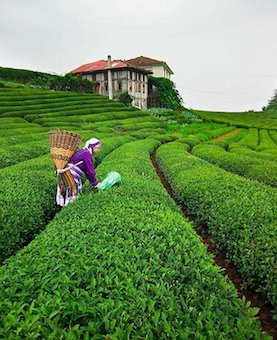
Dün çok çalışmış ondan kalkamamış. He worked so hard yesterday that he couldn't get up. (meaning ~~ I did not see, I am not witness but you too. He says that |he worked so hard yesterday that he couldn't get up| )
Dün işe gitmiş mi? Did he go to work yesterday?( meaning~~We didn't see it. We can't know if his words are true or not. What did he say about or do you know that? |did he go to work yesterday| )
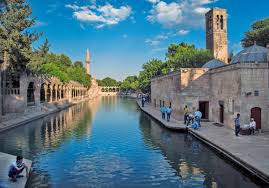
Geçmişte burada balık yüzermiş. In the past, fish swam here.
Çok yağmur yağmış mı? Has it rained a lot?
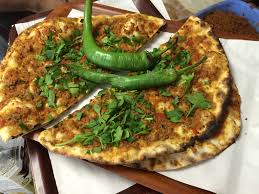
On tane lahmacun almışlar They bought 20 Turkish Pizza
Guzel olmuş mu? Is it good? ( meaning ~~ Opinion asking )
| Fiil çekimi | to come | |||
|---|---|---|---|---|
| kim | olumlu | olumsuz | olumlu soru | olumsuz soru |
| Ben | gelmişim | gelmemişim | gelmiş miyim? | gelmemiş miyim? |
| Sen | gelmişsin | gelmemişsin | gelmiş misin? | gelmemiş misin? |
| O | gelmiş | gelmemiş | gelmiş mi? | gelmemiş mi? |
| Biz | gelmişiz | gelmemişiz | gelmiş miyiz? | gelmemiş miyiz? |
| Siz | gelmişsiniz | gelmemişsiniz | gelmiş misiniz? | gelmemiş misiniz? |
| Onlar | gelmişler | gelmemişler | gelmişler mi? | gelmemişler mi? |
Türkçede GECMIS-MIS-ZAMAN kipi fiil cümlelerinde fiil köküne +miş, +muş, +müş eki eklenerek oluşturulur.
Olumsuz cümleler ise fiil cümlelerinde fiil köküne +memiş, +mamış eki eklenerek oluşturulur.
gelmek => gel +miş
bilmek => bil +memiş
In Turkish, Tense is formed by adding the , +miş, +muş, +müş suffixes to the verb stem in verb sentences.
In negative sentences, the suffix +memiş, +mamış is added to the end of the verb stem.
ÖRNEKLER
| Ofise yeni sekreter almışlar. | They hired a new secretary for the office. |
| Zeynep dün yemek yapmamış, dışarda yemek yemişler. | Zeynep didn't cook yesterday, they ate outside. |
| Ayşe, geçen hafta okula gelmemiş. | Ayşe didn't come to school last week. (reported past) |
| Eskiden bu çarşı çok buyukmüş. | This bazaar was very big in the past. ( They say so) |
| Çok çalışmış ve sınavı geçmiş. | She studied hard and passed the exam.(reported past) |
| Geç kalmış.Ama treni kaçırmamış. | He was late. But he didn't miss the train. (reported past,It was told) |
| Çok yemiş. | He/She ate too much. (reported past,It was told) |
| Bu olmuş. | This is done. |
| Ne demiş? | What did he/she say? (reported past) |
| iyi konuşmuşsun. | He/She talked a lot. I didn't listen to all of it. |
| Osmanlı imparatorluğu çok büyukmüş. | Het Ottomaanse Rijk was erg groot. |